7. Looking ahead, how do you envision the future of contrast therapy and its role in promoting overall well-being?
The future of contrast therapy holds promising potential as it continues to evolve and integrate with modern wellness practices and as understanding of its benefits grow we will see more exposure of the contrast therapy.
Scientific Advancements: As more research is conducted on contrast therapy, we can expect a deeper understanding of its mechanisms and effects on the body. This research will provide evidence-based insights into its benefits and how to optimize contrast therapy protocols for various health goals.
Personalized Wellness: The future of contrast therapy may involve personalized approaches. Spa and wellness providers may offer tailored contrast therapy sessions based on individual preferences, health goals, and tolerance levels, ensuring a more personalized and effective experience.
Integration with Technology: Wellness tech may play a role in enhancing contrast therapy. Wearable devices and apps could track physiological responses during sessions, helping users optimize their therapy for specific outcomes.
Wellness Retreats: Contrast therapy may become a centerpiece of wellness retreats and resorts. These destinations will offer immersive contrast therapy experiences, combining hot and cold treatments with mindfulness practices, nutrition, and holistic wellness programs.
Hybrid Modalities: The fusion of contrast therapy with other wellness modalities is likely. For example, combining contrast therapy with yoga, meditation, or breathwork can provide a comprehensive wellness experience that addresses both physical and mental well-being.
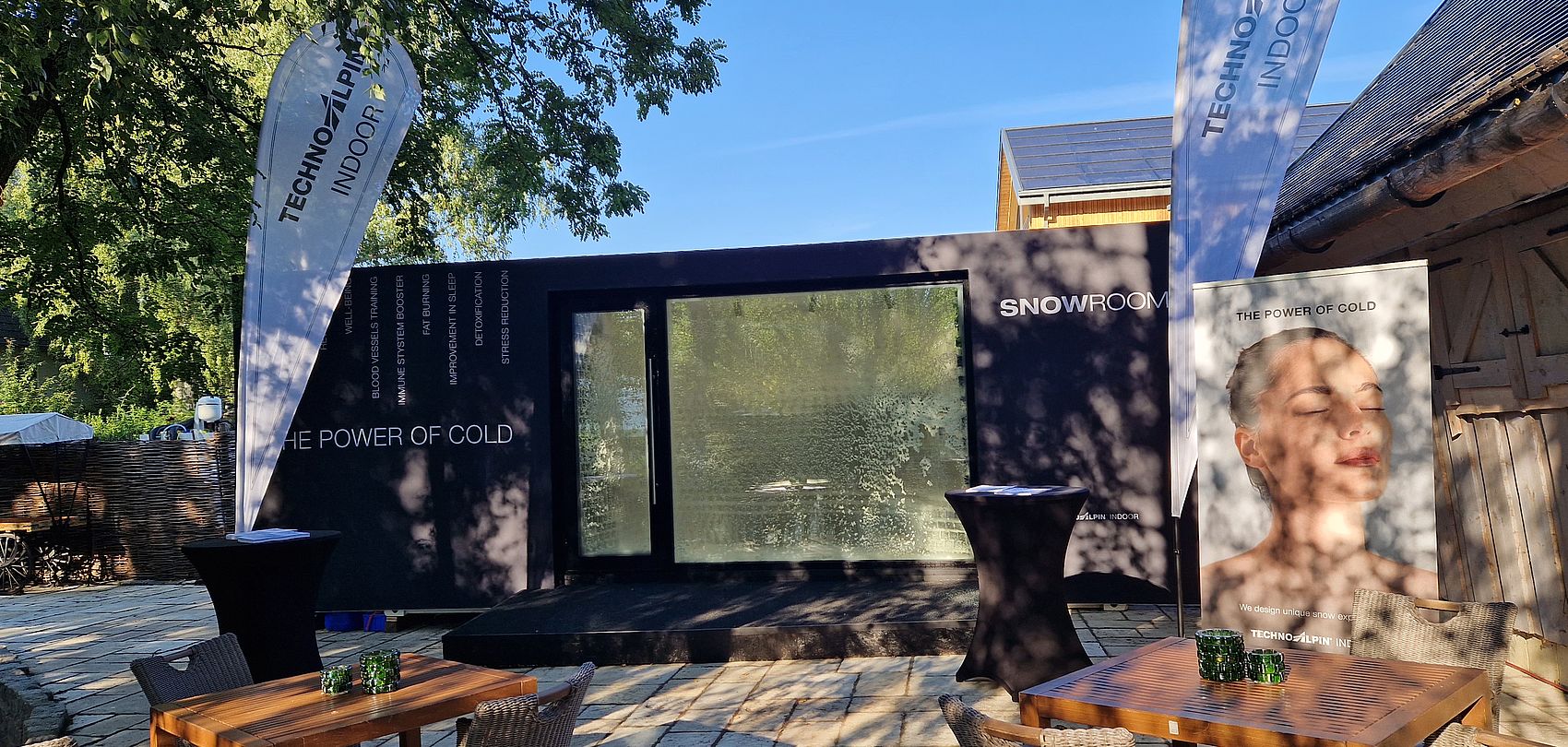
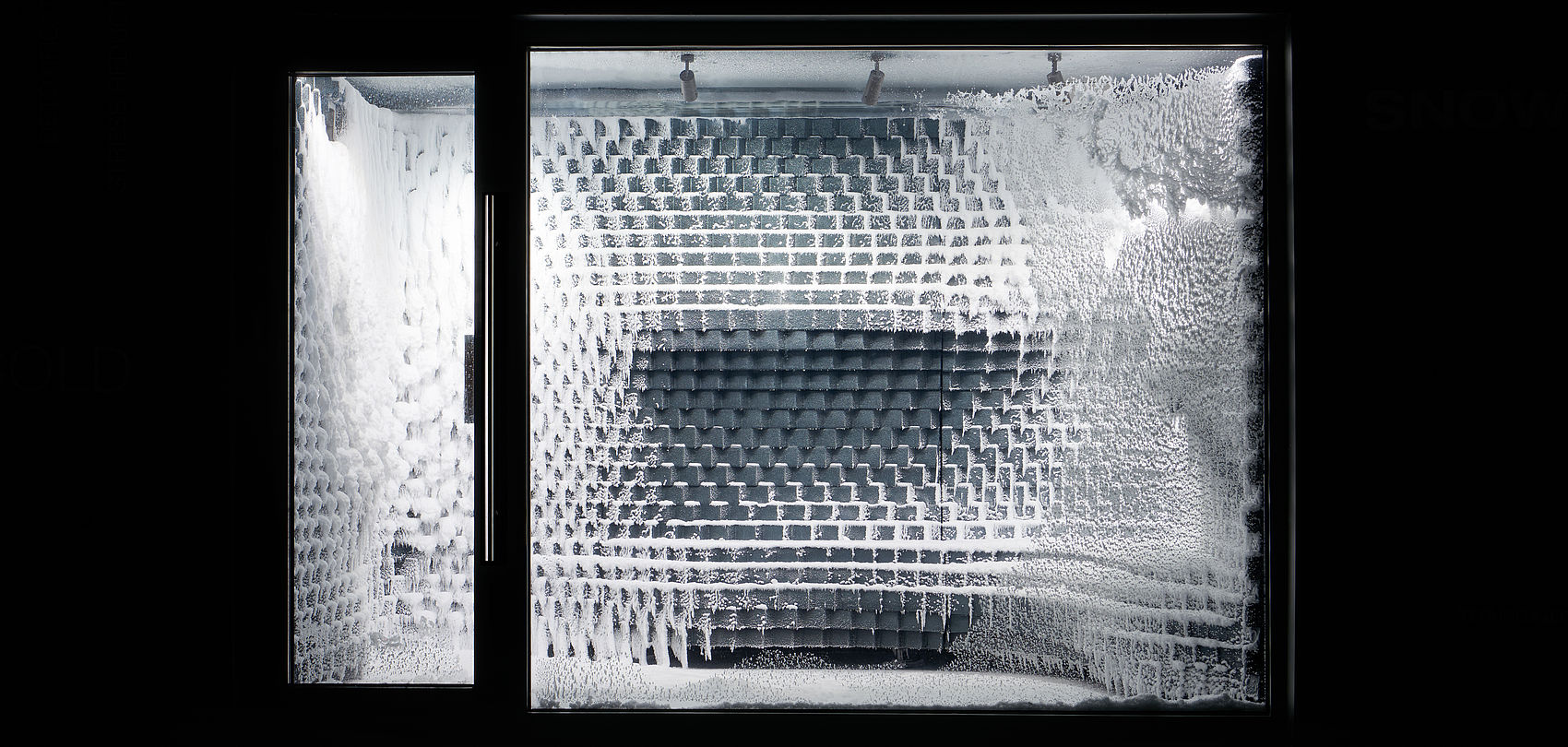
At-Home Solutions: Home-based contrast therapy solutions may become more accessible. Individuals could invest in specialized equipment or use readily available methods like hot baths, cold showers and homestyle snowrooms to practice contrast therapy regularly.
Stress Management: As stress-related health issues continue to rise, contrast therapy will play a vital role in stress management. Its ability to induce relaxation, reduce cortisol levels, and promote well-being will be increasingly recognized.
Integration into Healthcare: Contrast therapy may find applications in healthcare settings for conditions such
as pain management, physical rehabilitation, and the treatment of certain chronic health issues.
Community Engagement: Contrast therapy may foster community engagement. Public spaces and wellness centers
may offer community contrast therapy sessions, promoting social well-being alongside physical health.
Mental Health Support: The future of contrast therapy may include targeted programs for mental health support. Its potential to reduce anxiety and improve mood may lead to its incorporation into mental health and wellness practices.
Overall, the future of contrast therapy looks promising as it aligns with the growing demand for holistic wellness solutions. Its role in promoting overall well-being is expected to expand, offering individuals diverse options for physical, mental, and emotional health enhancement. As research continues and wellness practices evolve, contrast therapy is likely to remain a valuable component of the broader wellness landscape.