


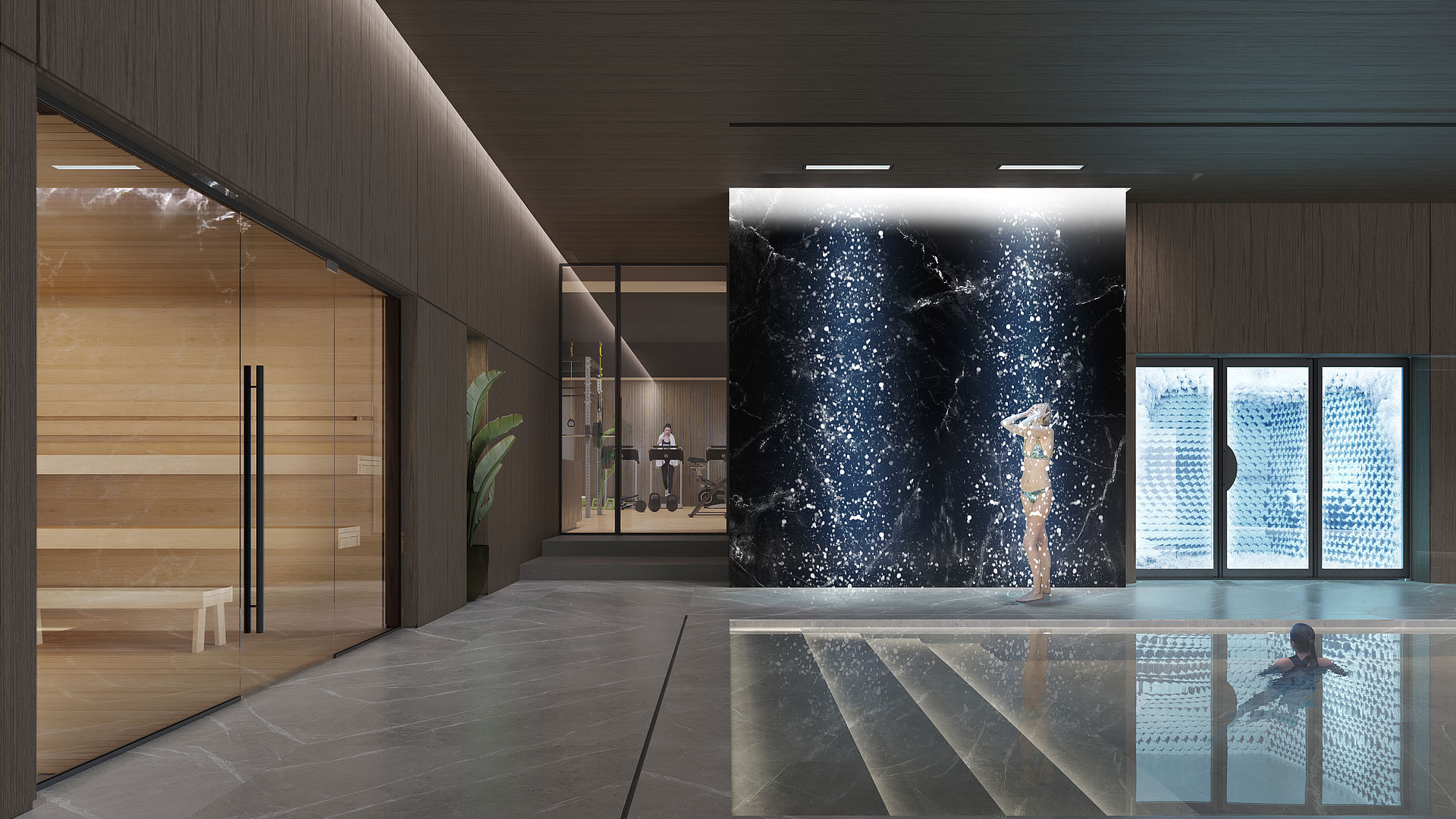


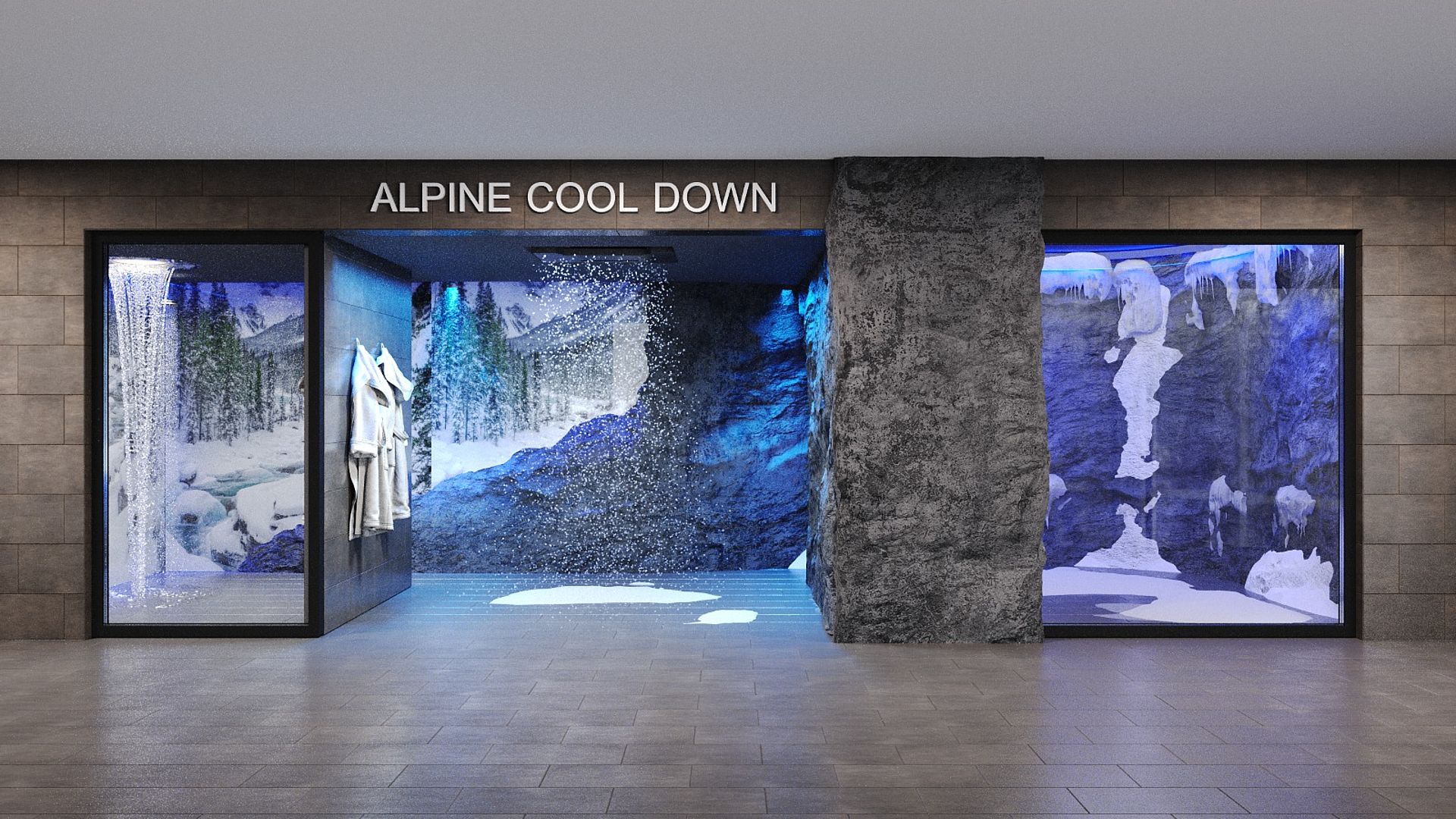

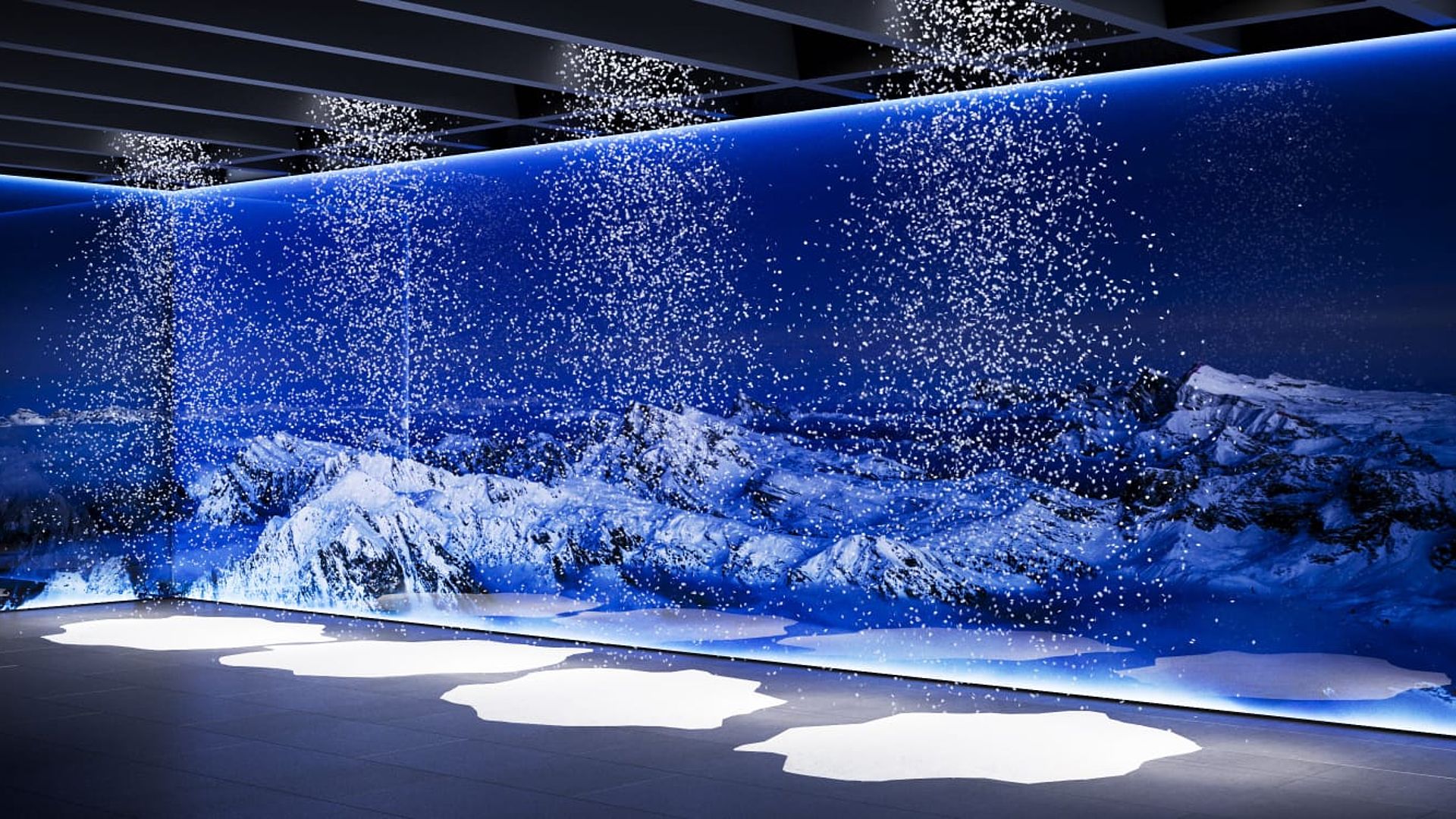

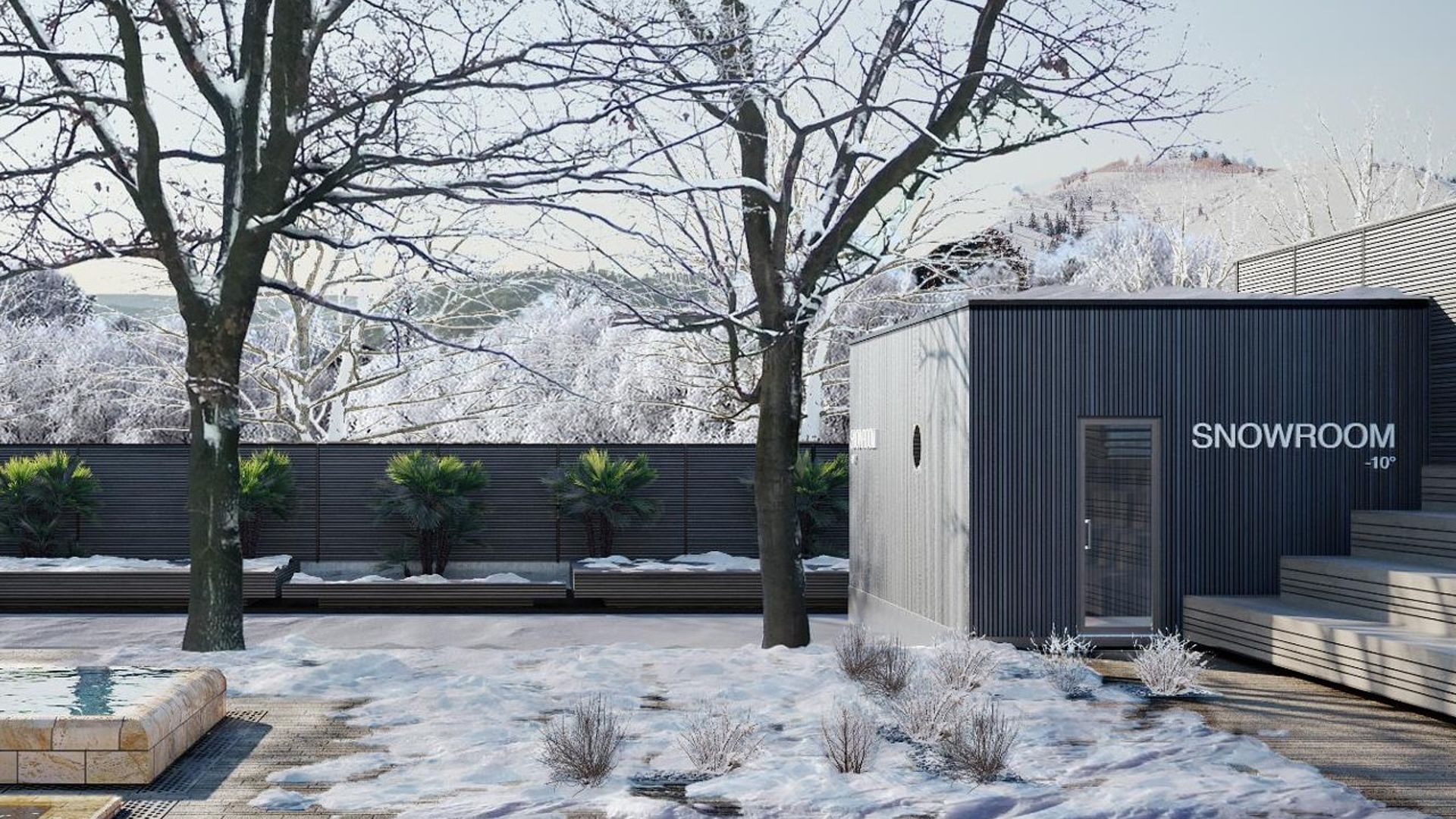
Cooling down with snow after an intense workout helps muscles recover in a smooth and enjoyable way.
You are using an outdated browser. To have the best experience use one of the following browsers:


Cold is just as essential as heat in contrast therapy, and snow offers a uniquely gentle and pleasant way to cool down. Unlike ice or cold-water immersion, the dry cold of snow provides an accessible and enjoyable experience, making cold therapy inviting and easy for everyone.

Snow’s gentle cooling effect makes the benefits of cold therapy accessible to all. With its soft cold, it provides a balanced alternative to ice baths or plunge pools — without cold shock or dizziness.
This makes cold therapy truly inclusive: from women and older adults who prefer gentler cooling, to individuals with pain sensitivity, cardiovascular conditions, rheumatism, arthritis, or fibromyalgia, as well as younger wellness guests discovering cold exposure for the first time.
By transforming snow into a holistic wellness journey, it opens the door for more people to enjoy the health benefits of cold exposure — from improved circulation and muscle recovery to deep relaxation and stress relief.
Positive effects of cold on the body

Detoxification
Relaxation
Improved sleep
A stronger immune system
Cardiovascular system
Pain relief
Regeneration
Mental health
Training the blood vessels
Fat burning
The increased oxygen supply leads to the efficient removal of metabolic waste. This detoxifying effect increases the firmness of the tissue and improves the appearance of the skin.
Endorphins and serotonin are released and act together to evoke a general feeling of contentment and a deep sense of relaxation.
The release of endorphins helps both mind and body relax, promoting restful sleep. Lower stress levels and improved mental well-being are also important factors for better sleep quality.
The immune system is boosted by the improved blood circulation and the increased oxygen supply to the tissue. The defense system is better equipped, and harmful free radicals are defused more quickly.
The cardiovascular system is stimulated by the interplay between hot and cold: the heart rate rises when exposed to cold, but falls to below its original rate afterwards.
Dry cold has an analgesic and anti-inflammatory effect. The blood vessels constrict, and the blood flow at pain points decreases. This has an analgesic and decongestant effect on bruising and torn muscles as well as on chronic joint pain.
With intense exercise, the lactate in the blood increases and accumulates in the muscle. The cold improves blood circulation and boosts metabolism. The lactate is broken down more quickly from the muscle, enabling the muscles to regenerate quickly. Inflammation subsides at a faster rate and the body can recharge its batteries more rapidly.
Through cold, the body is exposed to positive stress and has to acclimatize physiologically. This trains the body’s ability to react to and recover from stressful situations, and, in turn, reduces long-term stress.
Blood vessels dilate in warm temperatures and contract in the cold. Through cold therapy, blood vessels are being "trained" (just like we train our muscles), leading to improved blood circulation for the entire body: skin, muscles and other tissues. This process also improves skin texture, leaving it more even.
In cold temperatures, the metabolism is stimulated and brown fat cells are activated to warm the body. This practice has been proven to help with weight loss.

Snow is more than just a cooling element — it’s a story told through the senses. The visual purity of white snow, the tactile softness of the powder, and the refreshing cold combine to create a multisensory environment that feels alive. It awakens curiosity and invites guests to pause, play, and reconnect — turning a simple cooling moment into an experience that speaks to both body and mind, even for those who typically avoid the cold.
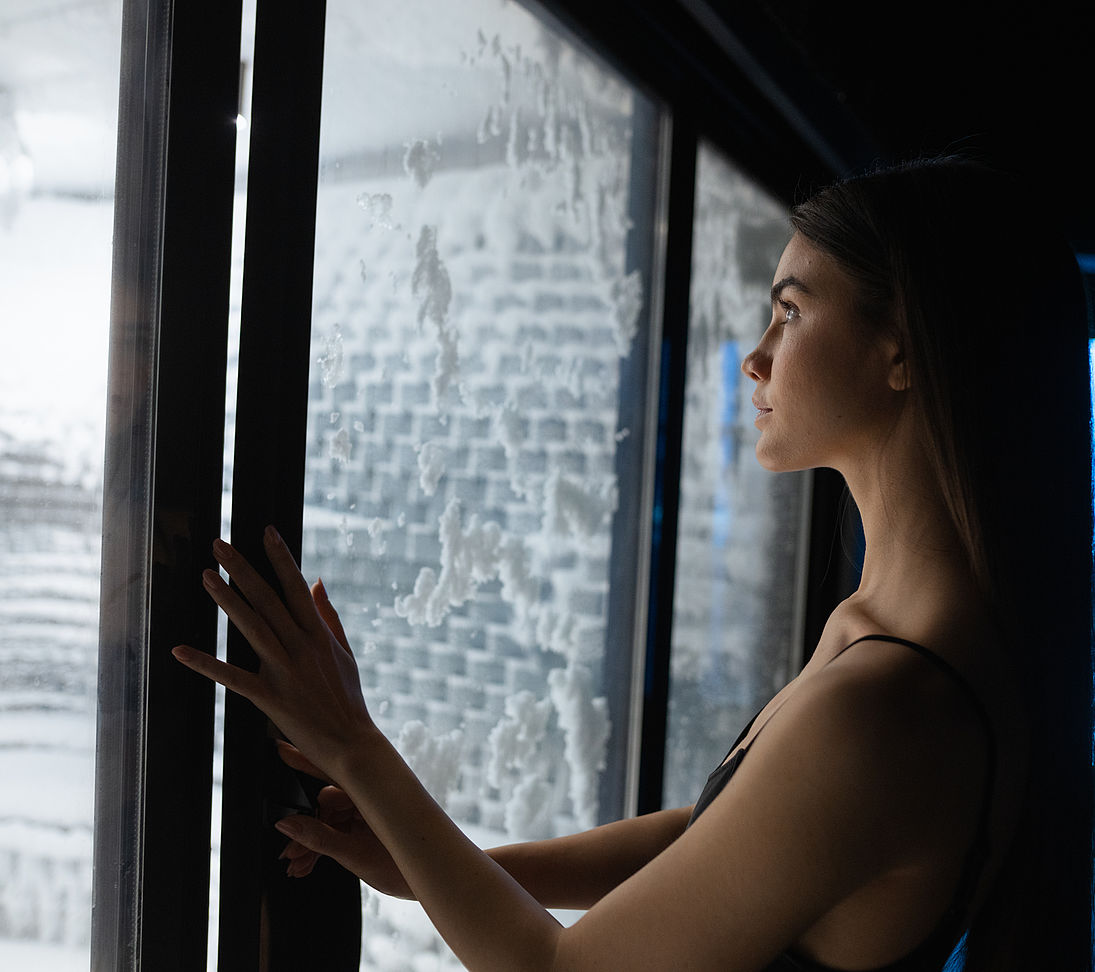
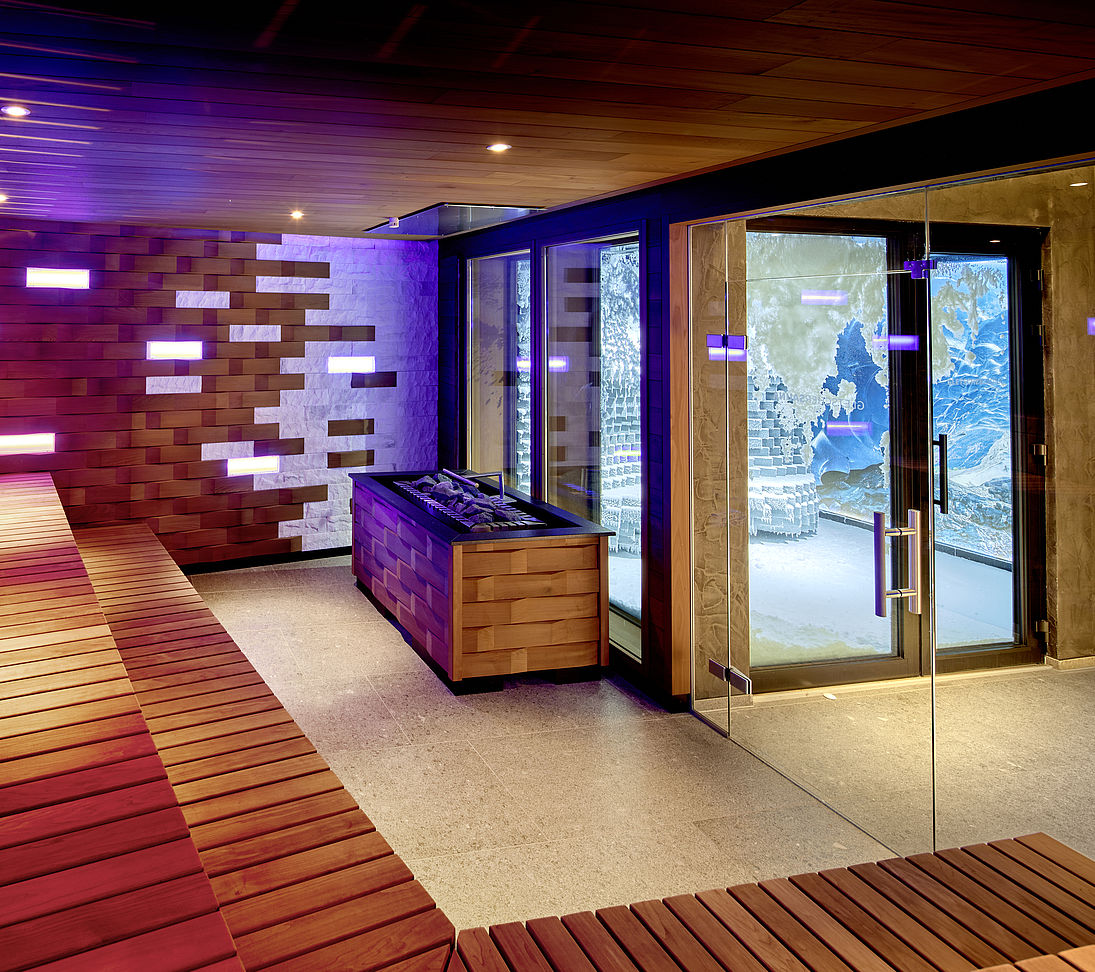
Snow cold exposure provides a wonderful partner to the social aspect of sauna culture, since the space in the snowroom creates social cool-down opportunities similar to Aufguss performances, where shared experiences are key. Just as the heat of the sauna brings people together, stepping into a SNOWROOM or experiencing SNOWSKY continues the sense of connection and engagement, turning the cooling phase into a memorable group experience.
![[Translate to english:]](/fileadmin/_processed_/f/f/csm_Snowroom__ArminHuber_HQ-8324_a37a876d7c.jpg "[Translate to english:]")
Unique wellness highlights like a snowroom attract health-conscious, experience-driven guests and position hotels in the premium segment — boosting occupancy, spa revenues, and room rates. Integrated into spa packages, memberships, or local day passes, a snow solution opens new revenue streams and encourages longer wellness stays. Its strong visual appeal also delivers marketing value: snowrooms are highly shareable, create PR buzz, and set hotels apart from competitors. The result is higher visibility, stronger guest loyalty, and repeat bookings — ensuring long-term ROI.

Sports & Fitness
Cooling down with snow after an intense workout helps muscles recover in a smooth and enjoyable way.

Residential
A private estate's interior transformed with real snow—both a striking architectural element and a luxurious way to cool down after a sauna.

Retail
Enhancing the brand experience in retail stores with real snow, creating a memorable and immersive journey that strengthens customer connections.

Leisure
Snow as a captivating and playful feature that enhances leisure spaces and creates unforgettable memories.