

In conversation with Katherine Connolly

Designing Reykjaböð: contrast, cold and a wellness experience rooted in Iceland

Katherine Connolly is an international spa and wellness consultant with more than 30 years of experience developing and leading luxury spa, wellness and hospitality concepts around the world. Her work focuses particularly on bathhouses, thermal bathing and the relationship between water, temperature, nature and human wellbeing.

For Reykjaböð Hot Springs in Iceland, she helped shape a place-led wellness concept built around contrast, sensory experience and the character of the surrounding landscape. In this interview, Katherine shares the thinking behind the project, the role of hot and cold experiences in modern wellness, and why snow became an integral part of the guest journey.

Katherine Connolly

When developing the spa concept for Reykjaböð, what was the main experience or feeling you wanted to create for guests?

From the outset, I wanted Reykjaböð to feel like a sanctuary, but one that could only have been created in Iceland. Not a spa that happens to sit within a beautiful landscape, but an experience that feels shaped by that landscape from the moment you arrive.

There is a remarkable stillness to Iceland, even when the weather is dramatic. The space, the rawness, the geothermal energy rising from the earth — it all has a very particular emotional quality. I wanted guests to feel that. To slow down, to notice where they are, and to become present in the experience rather than simply passing through it.

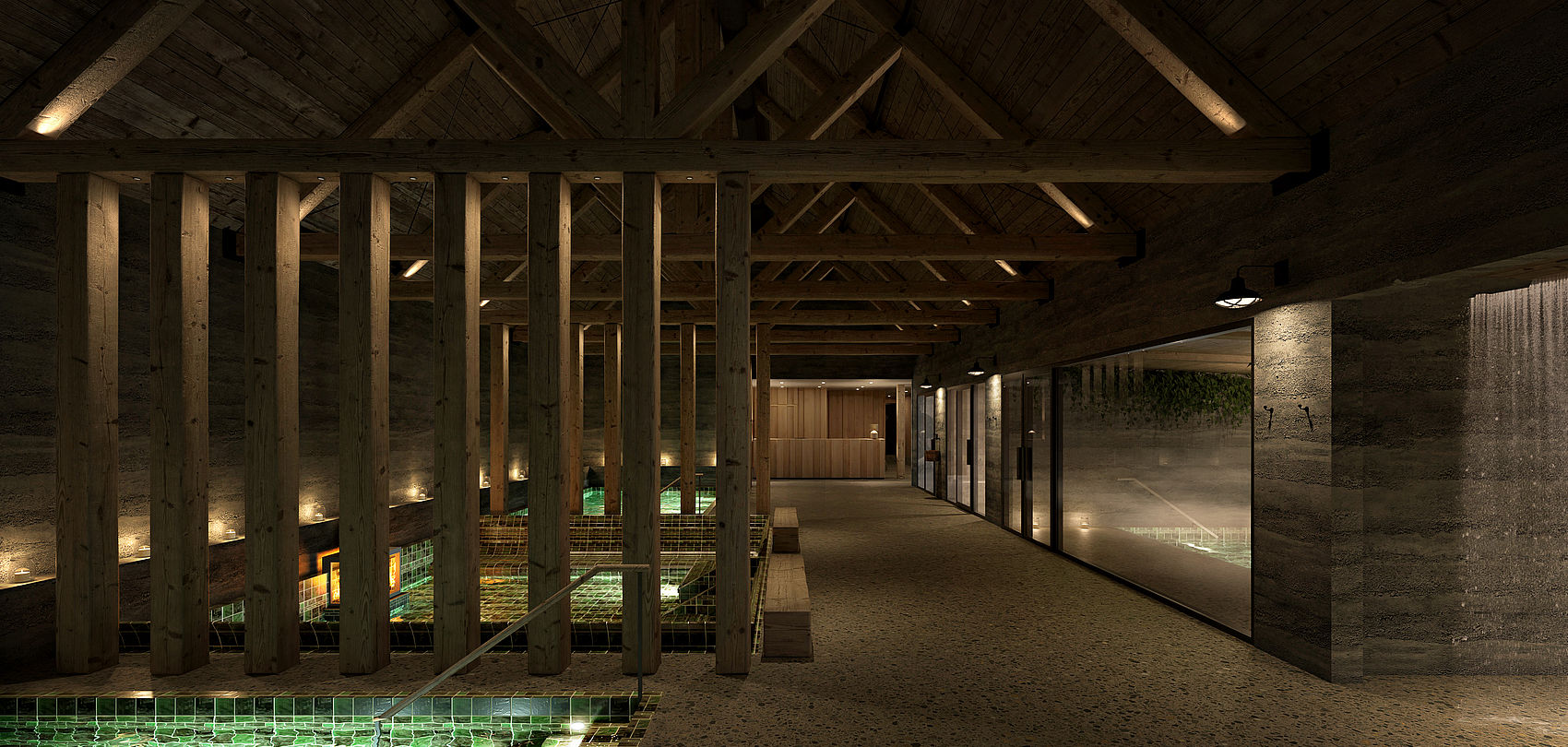
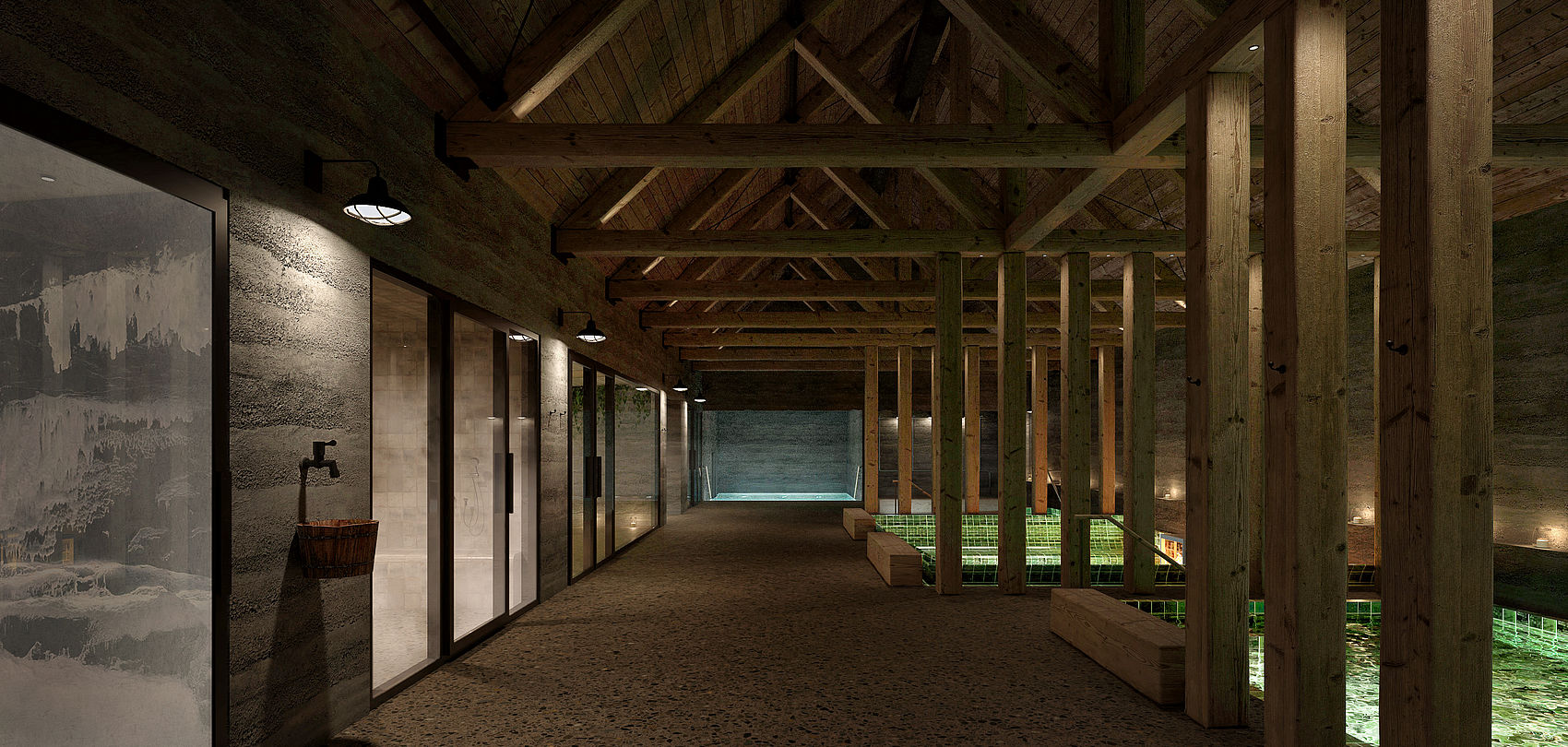
The bathhouse was designed as a journey, not as a series of separate facilities. Warmth, coolness, steam, snow, scent, sound and rest all have their place, and each transition has been considered. The aim was to create an experience that gently changes your state as you move through it — one that feels restorative, but also quietly awakening.

How did Iceland’s landscape, climate and natural contrasts influence the overall wellness concept?

They were not simply an influence; they were the starting point.

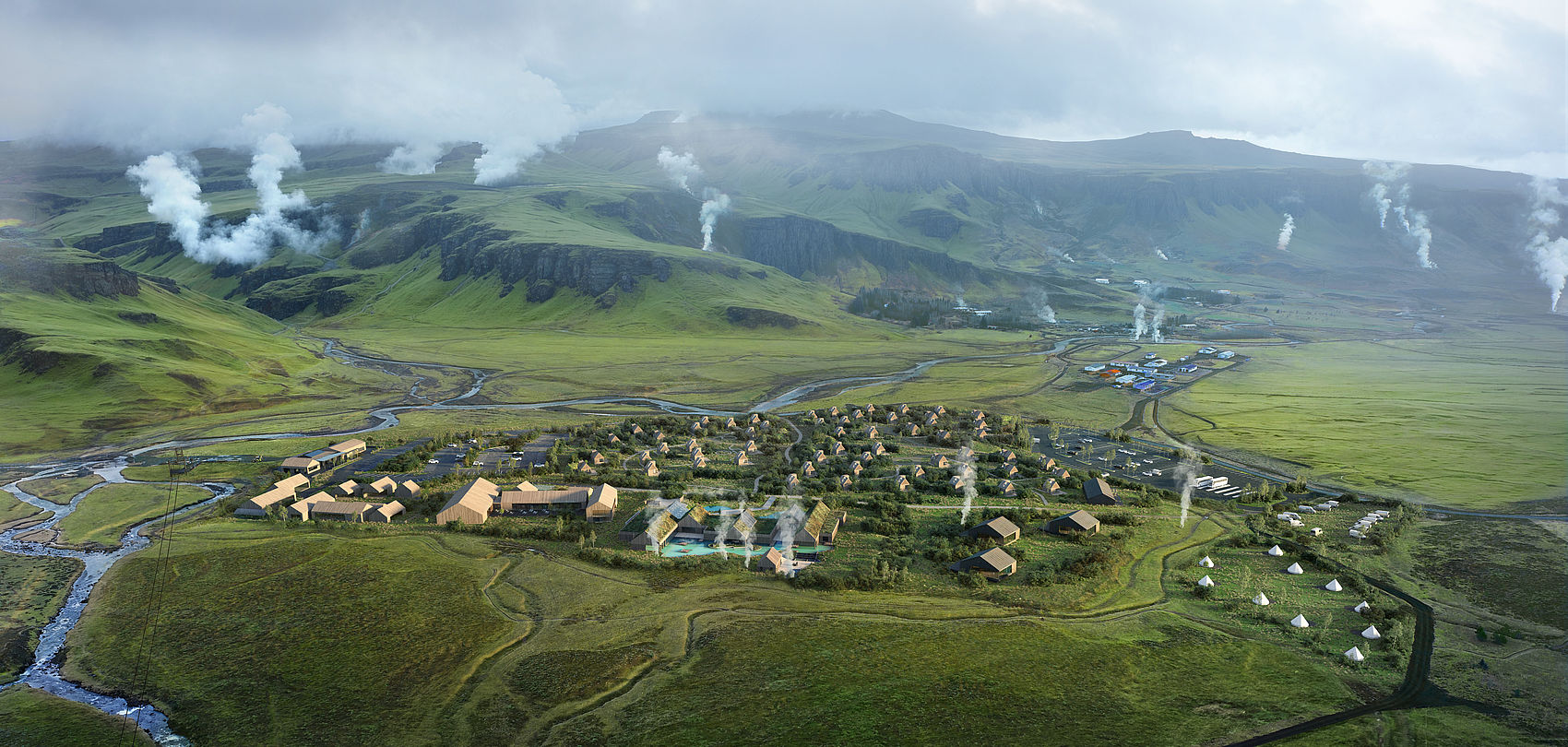
Iceland has one of the clearest expressions of natural contrast I have ever experienced. Heat rising from the ground, cold air on the skin, open expanses of land, water, stone, mist, snow — there is a constant dialogue between softness and strength. That became the emotional and sensory logic of the project.

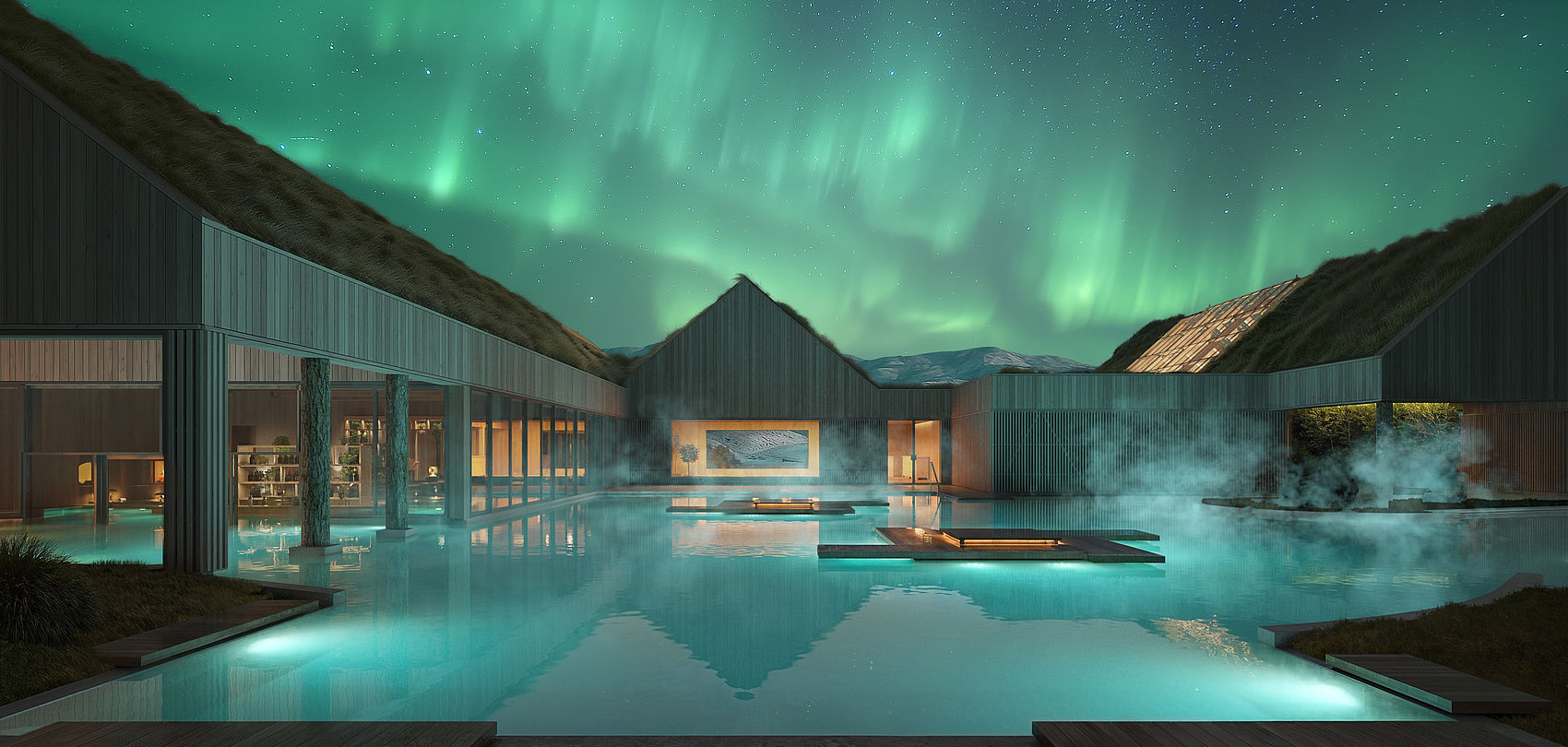
Rather than trying to smooth those contrasts out, we used them. The lagoon offers openness and connection to the wider landscape; the bathhouse creates a more curated, inward journey through temperature, atmosphere and ritual. Some moments feel expansive and energising, others cocooning and deeply quiet.

For me, Reykjaböð succeeds because it does not compete with Iceland. It frames it. The landscape remains the main character.

What role do temperature shifts and contrast experiences play in a modern spa journey today?

Temperature gives a bathing journey rhythm. Without contrast, a spa can become very passive; with it, the experience gains movement, choice and a stronger sense of progression.

Heat softens and opens the body. Coolness sharpens attention. Rest allows the guest to absorb the experience. When those stages are thoughtfully sequenced, they create a journey that feels far more engaging than simply moving from one beautiful room to another.

What has changed in recent years is that contrast therapy is no longer only associated with extremes. Guests are increasingly interested in hot and cold experiences, but they want to engage with them in ways that feel intelligent and approachable. Not everyone wants an icy plunge or intense heat, and a well-designed bathhouse should not demand that.

At Reykjaböð, that was a very important principle. The contrast experience has depth, but it also offers choice. Guests can find their own pace and their own level of intensity, which makes the journey more inclusive and, in my view, more sophisticated.

At what point did the idea of integrating a Snowroom become part of the concept — and why did it feel like the right fit for this project?

The Snowroom became part of the concept quite early, because it felt so naturally aligned with what Reykjaböð was trying to express.

If the project was going to tell a story of Iceland through water, temperature and sensory experience, then cold needed to be represented in a way that felt authentic to the place. The Snowroom did that beautifully. It was not brought in as a novelty; it completed the thermal narrative.

After warmth, steam or the herbal pool, entering a crisp, snow-filled space creates a complete change in mood. The body notices it immediately, but so does the imagination. There is something quietly extraordinary about encountering snow within a bathing journey, particularly in a project so closely tied to Iceland’s elemental identity.

It also offered something very important from a guest-experience perspective: a form of cold that is immersive and memorable, but less confrontational than some more intense options. That balance felt exactly right for the project.

In your view, what makes snow different from other cooling experiences within a spa environment?

Snow is a slower, more tactile expression of cold. That is what makes it so special.

A plunge pool is immediate and decisive; snow allows guests to meet cold more gradually and on their own terms. It invites interaction. There is freshness, of course, but also curiosity and even a slight sense of wonder. It changes the emotional tone of the cooling experience.

In bathhouse design, that matters. We are not trying to create tests of endurance; we are creating rituals people want to return to. Snow broadens the language of contrast therapy. It brings cold into the journey in a way that is atmospheric, accessible and highly memorable.

At Reykjaböð, it feels especially relevant because it belongs so naturally to the story of the place. It is not an imported idea sitting awkwardly within the concept. It feels entirely at home.

How do you see guests responding emotionally or physically to these kinds of immersive cold experiences?

From my experience of thermal environments, cold has a remarkable ability to bring people fully into the moment. It changes the breath. It sharpens attention. It interrupts the mental chatter that so many of us arrive with.

What I find particularly interesting is that the response is not purely physical. A well-placed cold experience can become an emotional reset within the wider journey. After heat and softness, that moment of cool clarity can feel invigorating, playful, even surprisingly calming.

I think the Snowroom at Reykjaböð will be one of those experiences guests talk about afterwards, not only because it is visually memorable, but because it creates a very distinct feeling. It offers a moment of surprise, but it is also beautifully integrated into the overall flow of the bathhouse. That is when a feature becomes meaningful — when it is not just noticed, but felt.

Wellness hospitality is evolving quickly. What do you think guests are looking for today that maybe was not as important a few years ago?

Guests are looking for experiences with greater depth and a clearer point of view. In travel and hospitality, beautiful design is now expected at the top end. What distinguishes a destination is whether the experience feels rooted, coherent and worth remembering.

In wellness specifically, there is far more appetite for bathing culture, contrast therapy, recovery, nature and sensory immersion. People want to understand how a place makes them feel. They are less interested in a checklist of facilities and more interested in whether the whole experience has been intelligently composed.

They are also looking for choice. The best wellness spaces do not tell every guest to take the same route; they create a journey with enough range that people can engage in different ways depending on their energy, confidence and mood.

That is one of the reasons Reykjaböð feels so timely. It has the drama of its setting, but it also has a much more layered experience beneath that — one that is emotionally compelling, operationally considered and very much in step with where modern wellness travel is heading.

Looking at Reykjaböð as a whole, what makes this project special to you personally?

It is special to me because it brings together so much of what I care about: nature, bathing culture, sensory design, thermal experience and the challenge of creating a large-scale destination that still feels intimate and personal.

I was also fortunate to work with a team who were ambitious in the best sense. They did not want to create just another lagoon; they were open to pushing the experience further and allowing the bathhouse to become a truly distinctive part of the project. That gave us the opportunity to introduce something new to Iceland while still remaining respectful of the landscape and the spirit of the place.

The bathhouse is particularly close to my heart because it adds another layer of discovery. It turns the visit into a more nuanced journey — through heat, cold, stillness, scent, snow, herbs and rest. But alongside that, it also had to work intelligently: the flow, the sequencing, the way guests move through the spaces, and the balance between capacity and calm all mattered greatly.

That combination is the work I find most rewarding — creating places that are emotionally powerful for the guest but carefully resolved behind the scenes. Reykjaböð has that balance. It has ambition, but it also has soul.

Your Browser is not supported!

You are using an outdated browser. To have the best experience use one of the following browsers: