The architecture of contrast

Why snow belongs in the modern hydrothermal journey

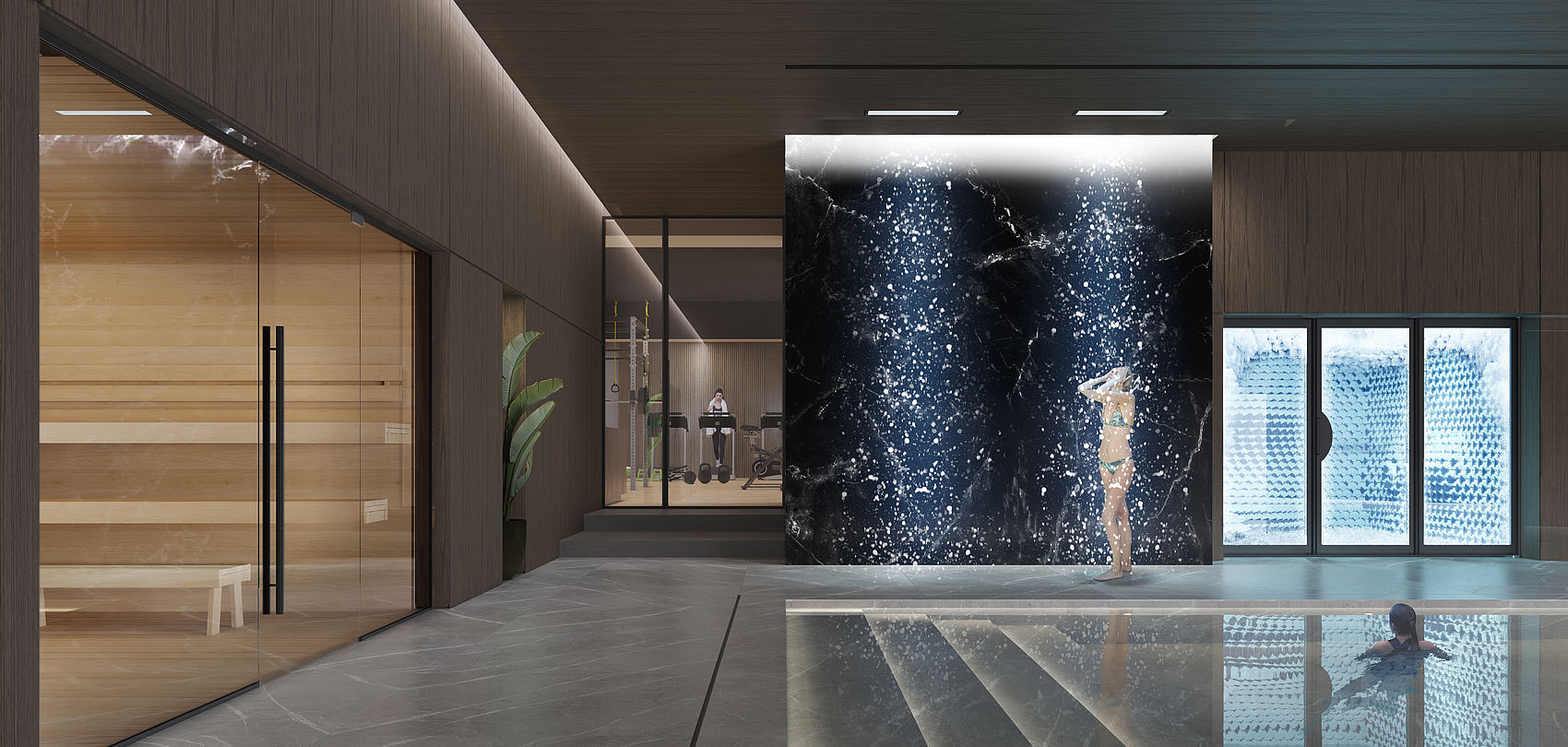
The modern hydrothermal space is evolving. Once defined mainly by individual facilities — sauna, steam room, plunge pool or relaxation area — it is increasingly conceived as a holistic journey, where every element contributes to a continuous sequence of sensations.

Today, the experience extends beyond temperature alone. It is shaped by atmosphere, materiality, sound, light, movement and the way guests transition from one state to another. The most memorable wellness environments are those that engage the whole body, allowing guests to move naturally between stimulation and recovery, warmth and freshness, energy and calm.

[Translate to english:]

Contrast as a design principle

At the center of this evolution lies one fundamental principle: contrast.

Heat feels more profound after cold. Silence becomes more noticeable after sound. Stillness becomes more meaningful after movement. Throughout history, hydrothermal bathing cultures have embraced these transitions, transforming them into rituals that restore both body and mind.

As Cassandra Cavanah, editor of the Guide to Hydrothermal Spa & Wellness Development Standards by the Global Wellness Institute, explains: “A successful hydrothermal space today is not defined by the number of hot, cold and rest elements it includes, but by how intentionally those experiences are connected — physically, emotionally and socially. The strongest concepts are designed around a guest journey, not a checklist.”

This idea is especially relevant in a time when wellness spaces are expected to offer more than relaxation. They are becoming places of ritual, reconnection and shared experience. Guided contrast therapy, Aufguss rituals and communal bathing journeys are helping redefine the spa as a space not only for individual recovery, but also for social wellbeing.

“Increasingly, that also means creating spaces where people can gather, reconnect and feel part of something larger. While privacy and quiet luxury will always have a place, there is a real shift toward hydrothermal environments that function as modern ‘third spaces’ — places for community, ritual and shared wellbeing,” says Cavanah.

Snow as a sensory experience

Within this context, snow introduces a particularly distinctive form of contrast.

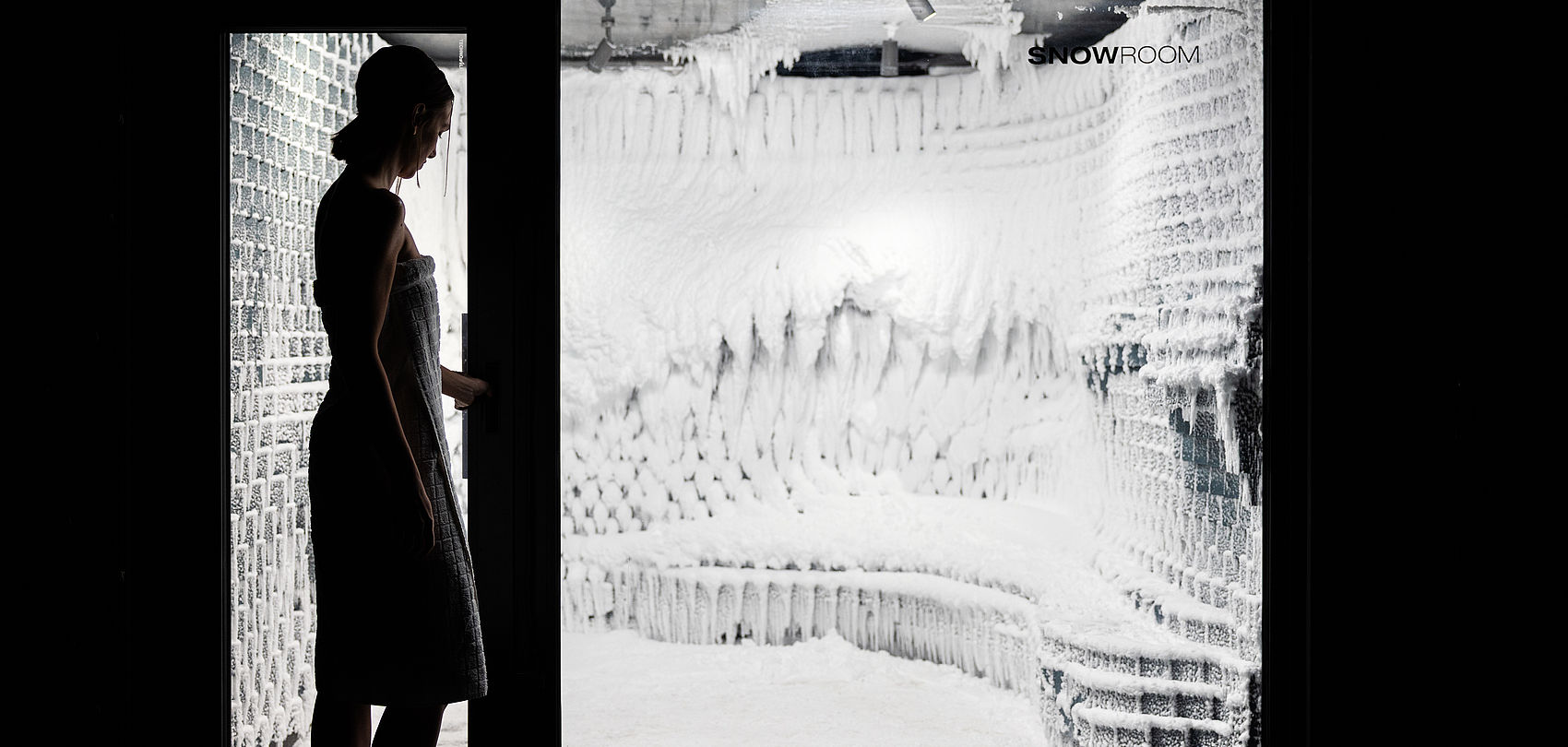
Unlike more abrupt cooling methods, a snow experience invites guests into an atmosphere that feels instinctively familiar: crisp air, real snow, soft light and the quietness of a winter landscape. Cooling becomes less about enduring cold and more about entering a different sensory state.

Following the intensity of heat, steam or water, snow offers a natural transition. It refreshes the body, clears the senses and creates a moment of pause before rest. Guests can breathe deeply, touch the snow, move at their own pace and remain in the space together. This makes the cooling experience more accessible, more intuitive and more emotionally memorable.

Cavanah describes this shift clearly: “Snow and softer cooling experiences can bring a completely different emotional quality to the spa journey. Not every contrast experience needs to be extreme to be effective or memorable. Snow, cool mist, fresh air and gentler forms of cooling can create moments of surprise, relief and sensory reset after heat.”

This is where snow becomes especially interesting for contemporary wellness architecture. It is not only a cold element. It is a spatial and multisensory element. It introduces texture, silence, brightness and a strong connection to nature. It can act as a quiet transition space, a sensory counterpoint to heat and steam, or a defining moment within the wider hydrothermal journey.

For TechnoAlpin Indoor, real snow in wellness environments is part of this broader design language. The focus is not on adding another feature, but on creating a more complete experience of contrast — one that feels natural, elegant and deeply connected to the guest journey.

Towards a new generation of wellness spaces

The value of snow lies in its ability to make cold more approachable. It softens the idea of cooling without weakening its impact. It gives guests a way to experience contrast that is physical, atmospheric and emotionally clear.

As Cavanah puts it: “They make the journey more accessible, more playful and often more beautiful — which is important because guests remember how an experience made them feel, not just the temperature or technical specification.”

As wellness continues to move toward more immersive and experience-driven concepts, the role of contrast will become even more important. The future of hydrothermal design may not be about adding more isolated facilities, but about composing more meaningful journeys.

Snow belongs in this conversation because it does what the best hydrothermal spaces do: it changes the state of the body, shifts the atmosphere of the room and creates a moment guests remember.

Snow at Alpenrose Familux - Wellness from Valley to Glacier

NEWS

 Rethinking recovery with Dr. Stephen Lewis 

NEWS

Snow as a statement in architecture design

NEWS

Snow at Alpenrose Familux - Wellness from Valley to Glacier

NEWS

 Rethinking recovery with Dr. Stephen Lewis 

NEWS

Snow as a statement in architecture design

NEWS

Snow at Alpenrose Familux - Wellness from Valley to Glacier

NEWS

 Rethinking recovery with Dr. Stephen Lewis 

NEWS

Snow as a statement in architecture design

NEWS

Snow at Alpenrose Familux - Wellness from Valley to Glacier

NEWS

 Rethinking recovery with Dr. Stephen Lewis 

NEWS

Snow as a statement in architecture design

NEWS

Snow at Alpenrose Familux - Wellness from Valley to Glacier

NEWS

 Rethinking recovery with Dr. Stephen Lewis 

NEWS

Snow as a statement in architecture design

NEWS

Snow at Alpenrose Familux - Wellness from Valley to Glacier

NEWS

 Rethinking recovery with Dr. Stephen Lewis 

NEWS

Snow as a statement in architecture design

NEWS

Snow at Alpenrose Familux - Wellness from Valley to Glacier

NEWS

 Rethinking recovery with Dr. Stephen Lewis 

NEWS

Snow as a statement in architecture design

NEWS

Snow at Alpenrose Familux - Wellness from Valley to Glacier

NEWS

 Rethinking recovery with Dr. Stephen Lewis 

NEWS

Snow as a statement in architecture design

NEWS

Snow at Alpenrose Familux - Wellness from Valley to Glacier

NEWS

 Rethinking recovery with Dr. Stephen Lewis 

NEWS

Snow as a statement in architecture design

NEWS
View newsroom
Your Browser is not supported!

You are using an outdated browser. To have the best experience use one of the following browsers: