


You are using an outdated browser. To have the best experience use one of the following browsers:
Reykjaböð Hot Springs
Iceland
A thermal journey shaped by Icelandic contrast
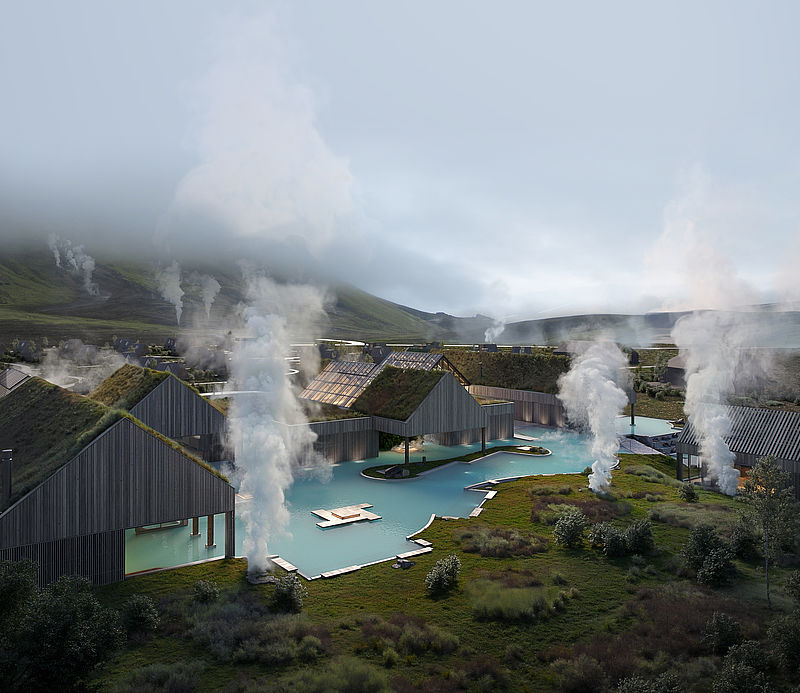
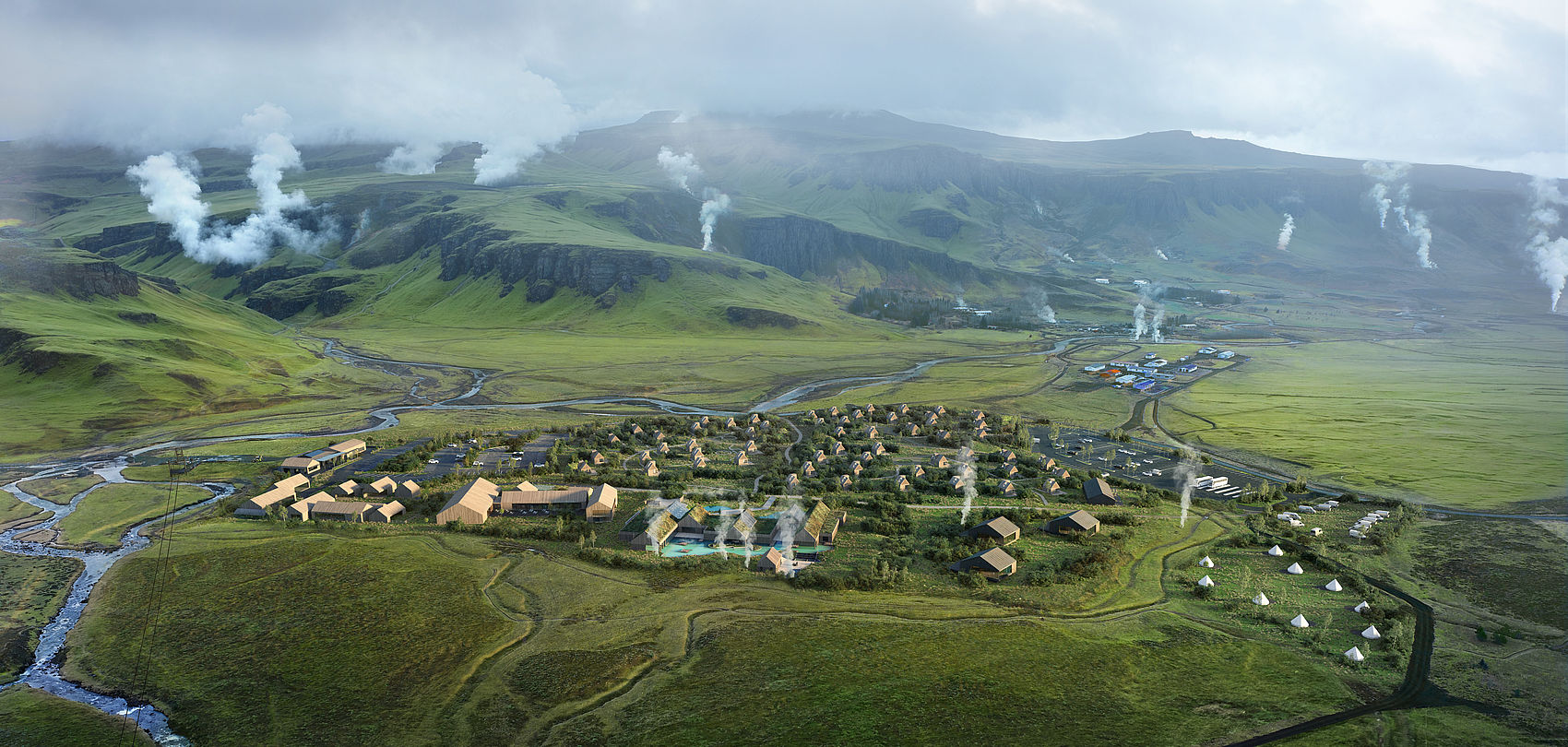
Some wellness concepts begin with architecture. Others begin with a list of facilities. Reykjaböð Hot Springs began with a place.
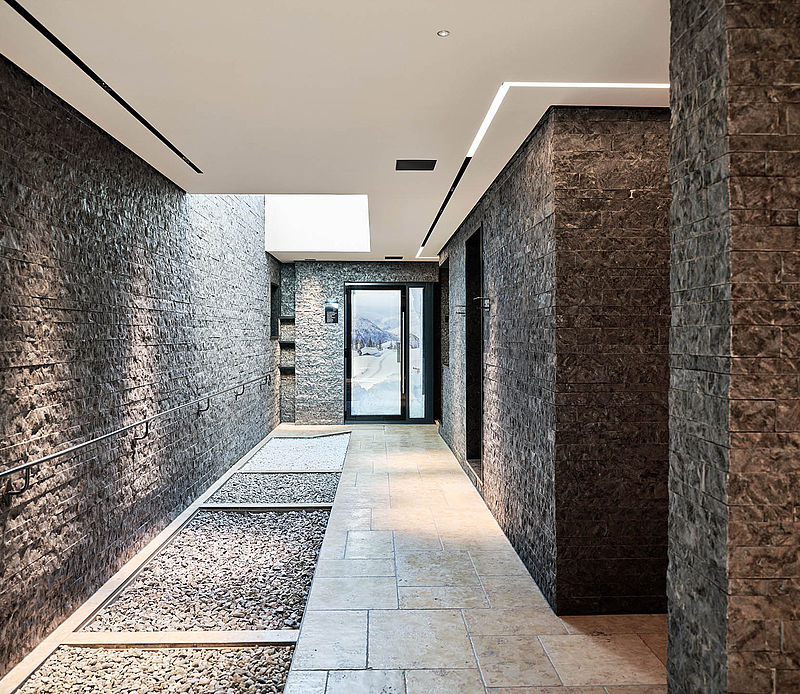
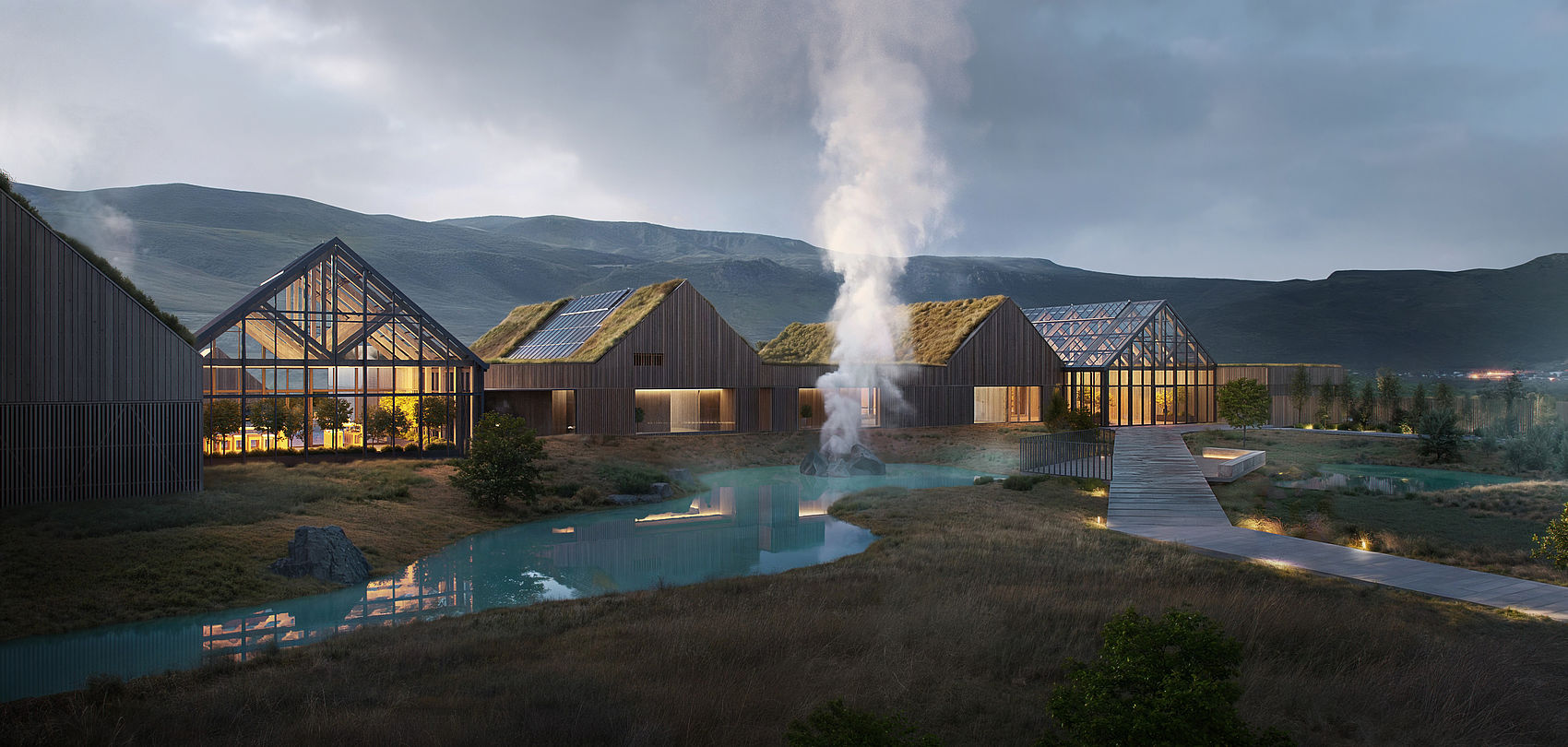
Set in Iceland, the project draws from one of the country’s most powerful qualities: contrast. Geothermal warmth, cold air, open land, water, stone, mist and snow all shape the atmosphere of the destination. Rather than softening these elements, the concept uses them as the foundation for a carefully sequenced experience.
For spa consultant Katherine Connolly, the aim was clear from the beginning: Reykjaböð should not feel like a spa placed in a beautiful landscape, but like an experience shaped by that landscape.
“From the outset, I wanted Reykjaböð to feel like a sanctuary, but one that could only have been created in Iceland,” she explains. “Not a spa that happens to sit within a beautiful landscape, but an experience that feels shaped by that landscape from the moment you arrive.”
Designing with natural contrast
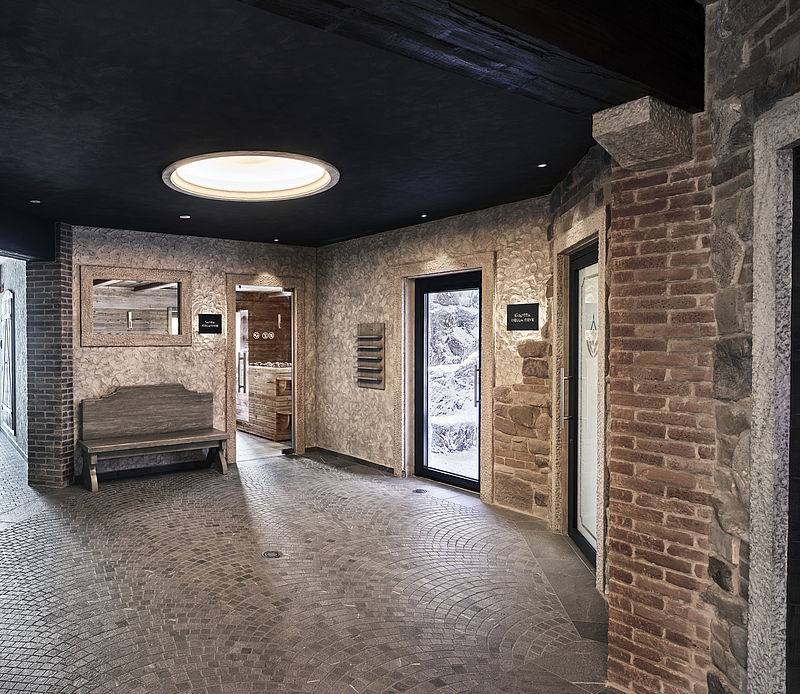
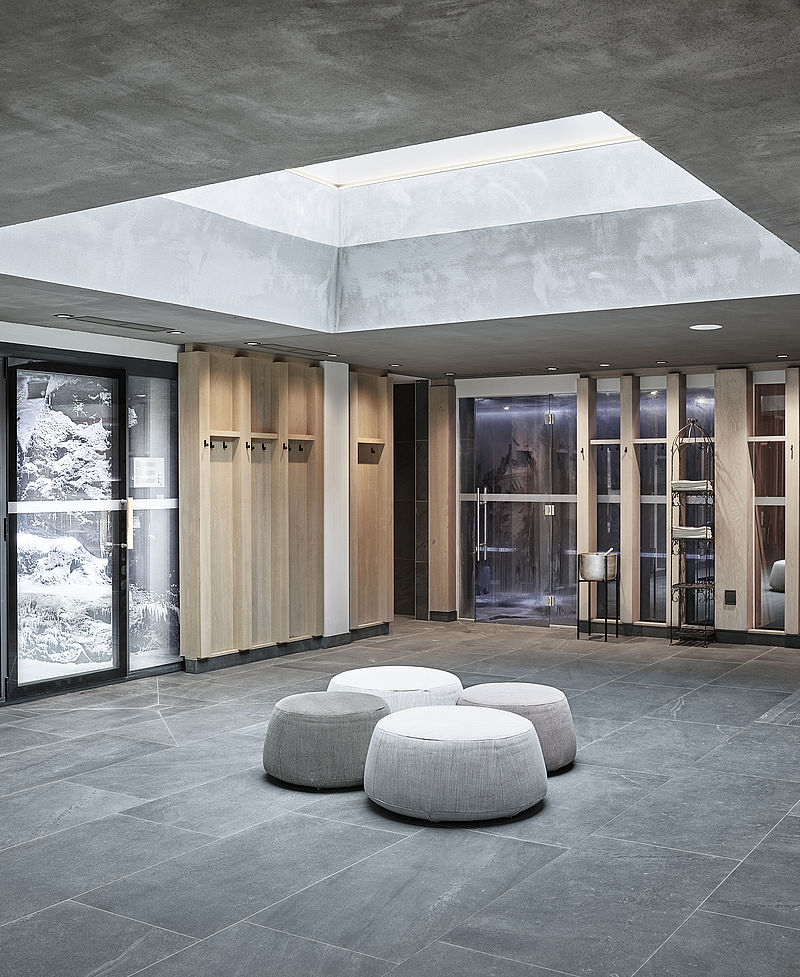
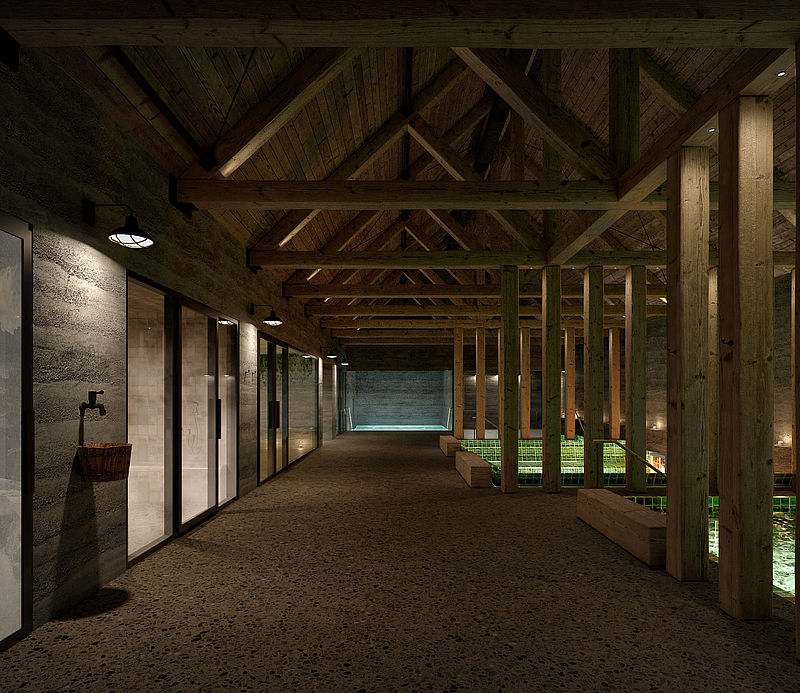
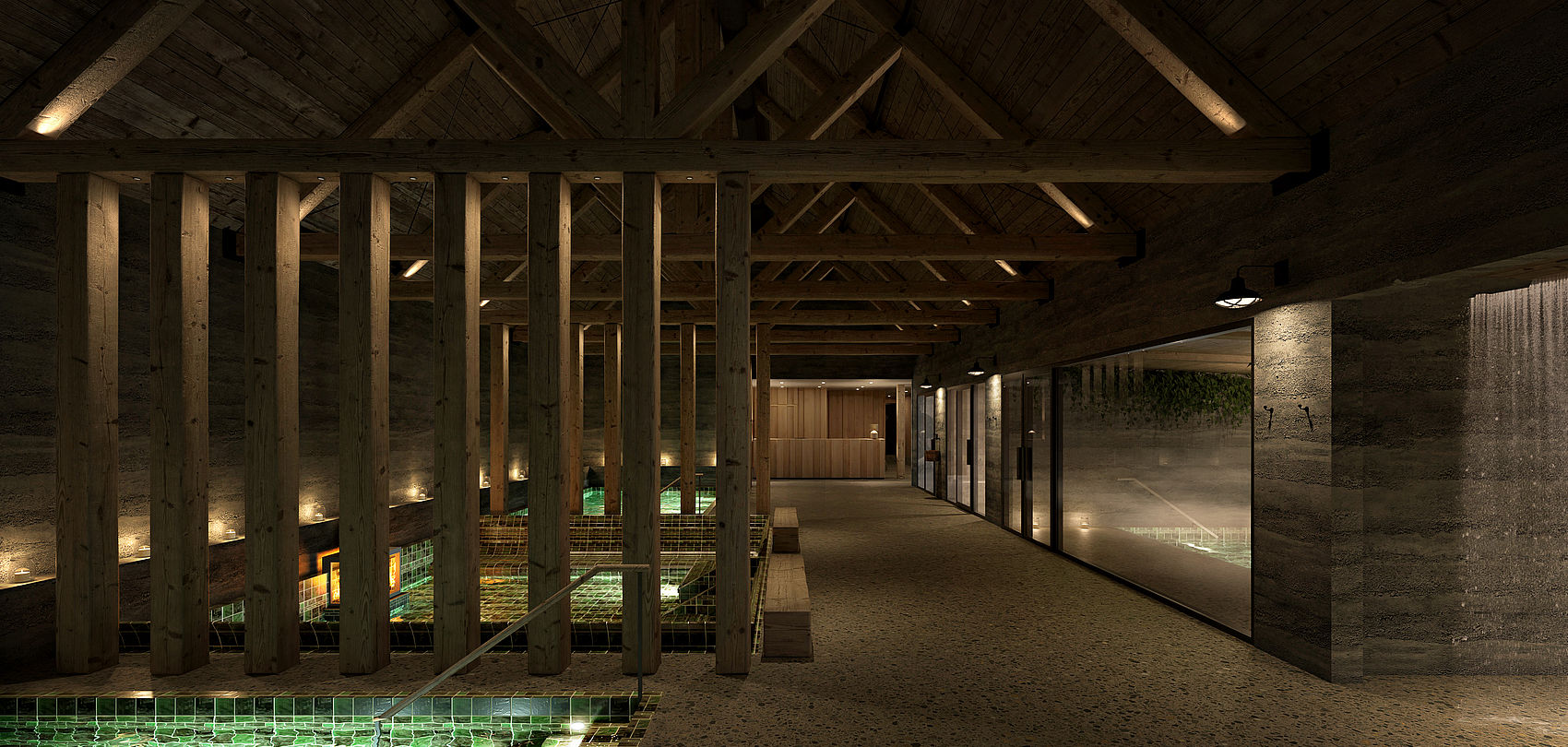
The bathhouse was designed as a journey through temperature, atmosphere and ritual. The lagoon opens the experience towards the surrounding nature, while the indoor spaces create a more intimate rhythm of warmth, coolness, steam, scent, sound, snow and rest.
“Iceland has one of the clearest expressions of natural contrast I have ever experienced,” Connolly says. “Heat rising from the ground, cold air on the skin, open expanses of land, water, stone, mist, snow — there is a constant dialogue between softness and strength. That became the emotional and sensory logic of the project.”
“The Snowroom was not brought in as a novelty; it completed the thermal narrative”
— Katherine Connolly
Why snow became part of the journey
Within this logic, snow was integrated early in the concept. It was not added as a visual attraction, but as a natural part of the thermal narrative: a way to represent cold in a form that feels authentic to the place.
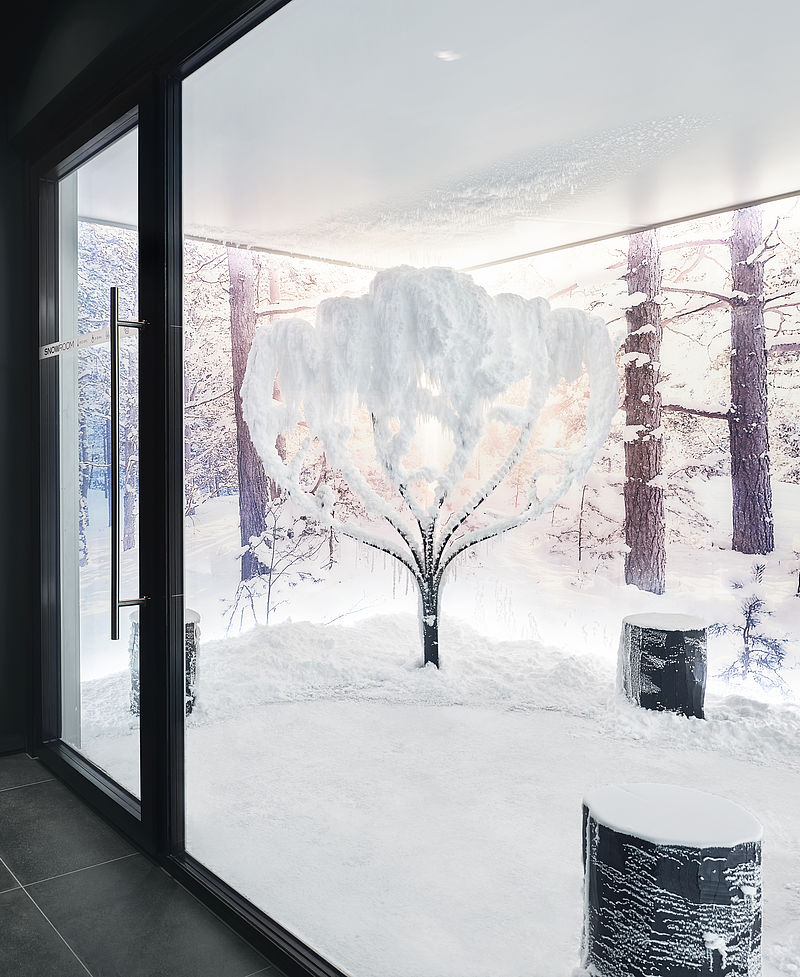
To bring this element into the bathhouse, the project integrated the SNOWROOM by TechnoAlpin Indoor: a controlled indoor snow environment designed to make natural cold accessible within a thermal wellness journey.
“The Snowroom was not brought in as a novelty; it completed the thermal narrative,” Connolly says. “After warmth, steam or the herbal pool, entering a crisp, snow-filled space creates a complete change in mood. The body notices it immediately, but so does the imagination.”
For Connolly, snow offers a different kind of cooling experience. Unlike an icy plunge, it allows guests to approach cold more gradually and on their own terms.
“Snow is a slower, more tactile expression of cold. That is what makes it so special.”
A more accessible form of cold
This makes snow an important part of the guest journey. It creates contrast without becoming confrontational. Guests can engage with cold in a way that feels immersive, memorable and accessible — a quality that reflects how modern wellness hospitality is evolving.
“Beautiful design is now expected at the top end,” Connolly says. “What distinguishes a destination is whether the experience feels rooted, coherent and worth remembering.”
From feature to feeling
Reykjaböð responds to this shift with a concept that is both atmospheric and carefully considered. The experience does not rely on individual highlights, but on the way each moment leads into the next. Heat, cold, stillness, scent, snow and rest all contribute to a journey that feels connected to its setting.
At Reykjaböð, contrast is not used for effect alone. It becomes a way to slow down, sharpen attention and connect guests more deeply with the place around them.
As Connolly puts it, “That is when a feature becomes meaningful — when it is not just noticed, but felt.”
In the full interview, Katherine Connolly shares more about the concept behind Reykjaböð Hot Springs, the role of Iceland’s natural contrasts and why snow became part of the bathing journey.
Continue to the full interview here.